How Aimé Leon Dore Doubled Its Collection Conversion with Kimonix
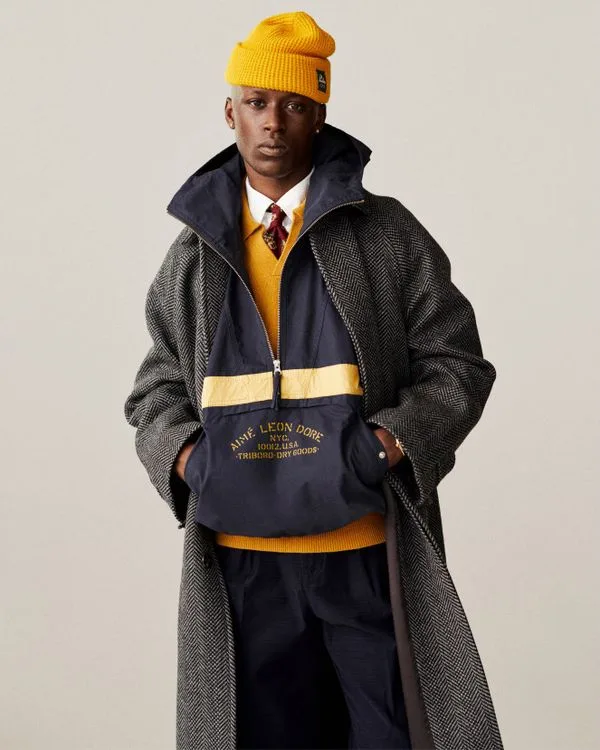
Aimé Leon Dore is a New York City menswear label founded in 2014, known for its elevated take on classic American and sportswear staples, a devoted following, and a release cadence that turns every drop into an event.
2×
Higher CVR with Automated Sorting
+86%
Increase in Sales
+36%
Lift in Collection-to-Product CTR
The Challenge
The drop-driven model is exactly what makes merchandising hard. Products launch in limited runs and sell through fast, so there's almost no historical performance data to lean on. The team is effectively merchandising blind, with no reliable signal for what's genuinely a best-seller yet.
Manual sorting makes it worse. Sold-out and low-stock items drift to the top of collections and stay there, so shoppers land on a wall of products they can't actually buy, a conversion nightmare. And by the time anyone re-sorts by hand, stock has already turned over again.
The Solution
Aimé Leon Dore put manual merchandising head-to-head against Kimonix's automated sorting in a controlled A/B test on the same collection.
Instead of relying on a single rule or a human's best guess, Kimonix ranked the collection automatically and continuously, surfacing the products actually earning views and sales while pushing sold-out and low-stock items down before they could drag conversion down. As stock and demand shifted through the drop, the collection re-ordered itself in real time, with no manual intervention.
Explore Kimonix collection sorting →
The Results
The automated variation didn't just edge out manual curation. It beat it across the entire funnel, from the same collection traffic. More shoppers clicked through from the collection to the product page, more of them converted, and the collection drove materially more sales without any additional visits.
- Conversion rate doubled versus manual merchandising (+100%)
- +86% increase in sales from the same collection traffic
- +97% more units sold
- +36% lift in click-through from collection to product page
Key Takeaways
2×
Higher CVR with Automated Sorting
The automated variation didn't just edge out manual curation. It beat it across the entire funnel, from the same collection traffic. More shoppers clicked through from the collection to the product page, more of them converted, and the collection drove materially more sales without any additional visits.
- Leaving sold-out or low-stock items at the top of a collection quietly bleeds conversion. Inventory-aware sorting closes a leak most brands never notice
- With limited drops there's barely any sales history to merchandise on; automated, signal-based ranking beats guessing what will sell
- Re-ranking in real time lifts the whole funnel at once: discovery, click-through, and conversion move together
- Better merchandising is free growth: it converts more of the traffic you already have, with no extra acquisition spend
Frequently Asked Questions
What results did Aimé Leon Dore see with Kimonix?+
Aimé Leon Dore doubled conversion rate on collection pages with automated sorting, grew sales by 86%, and lifted collection-to-product click-through by 36%. The click-through gain matters alongside the conversion gain: shoppers were both reaching products more often and buying more when they got there.
How did Aimé Leon Dore double conversion rate on collection pages?+
By replacing manual ordering with automated, data-driven sorting, so the products most likely to sell surfaced first and kept re-ordering as performance changed. The team set the strategy once rather than re-merchandising collections by hand as drops and stock levels moved.
Does automated collection sorting work for menswear and streetwear brands?+
Yes, and fast-moving drop culture is a good fit for it. Streetwear catalogs turn over quickly, so a hand-ordered collection is stale within days. Rule-driven sorting keeps the ordering current against live demand and stock, which is how Aimé Leon Dore reached double the conversion rate without adding manual work.